You buy a $30 blender and it comes with an owner’s manual. You did not get one when you were born.
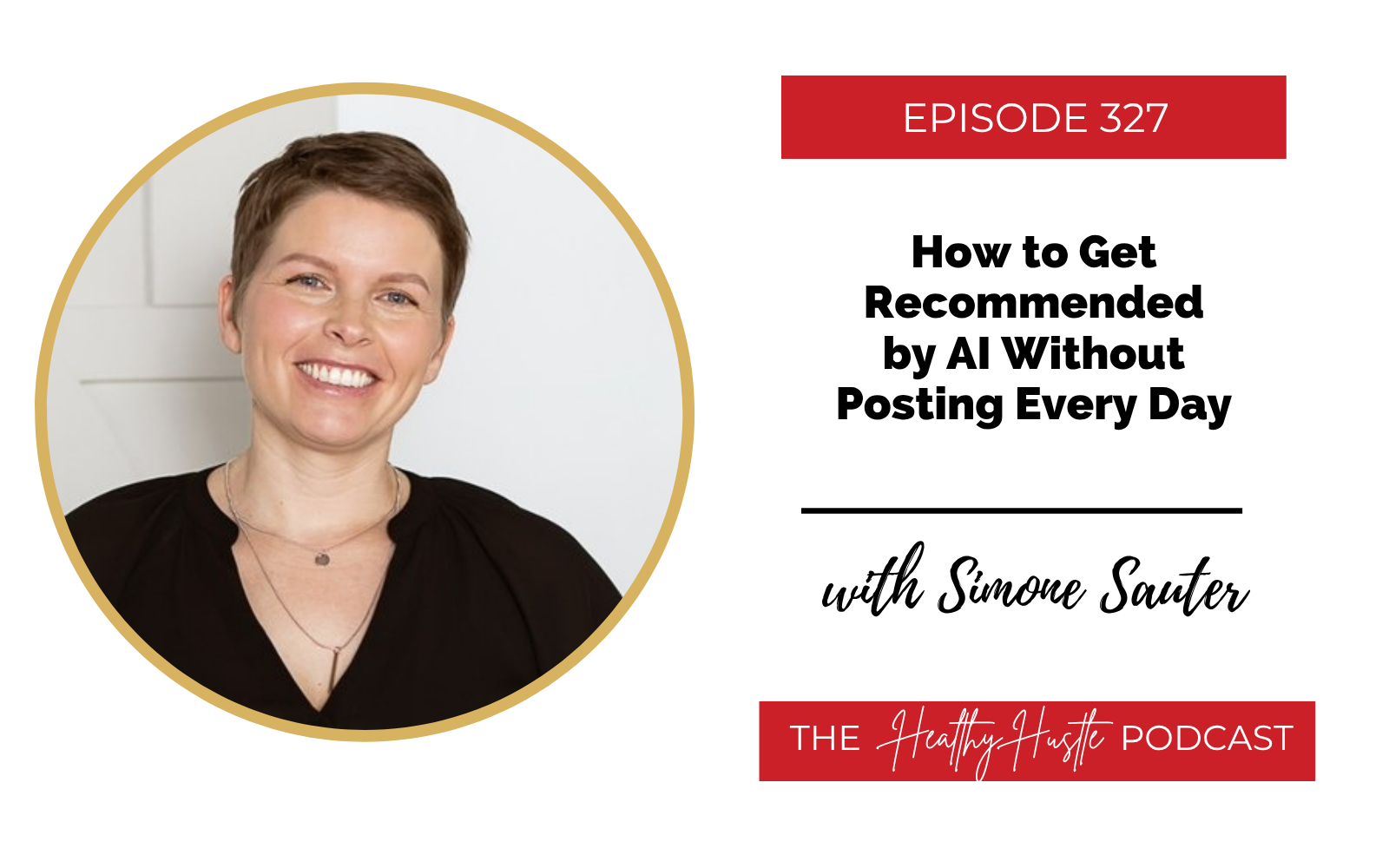
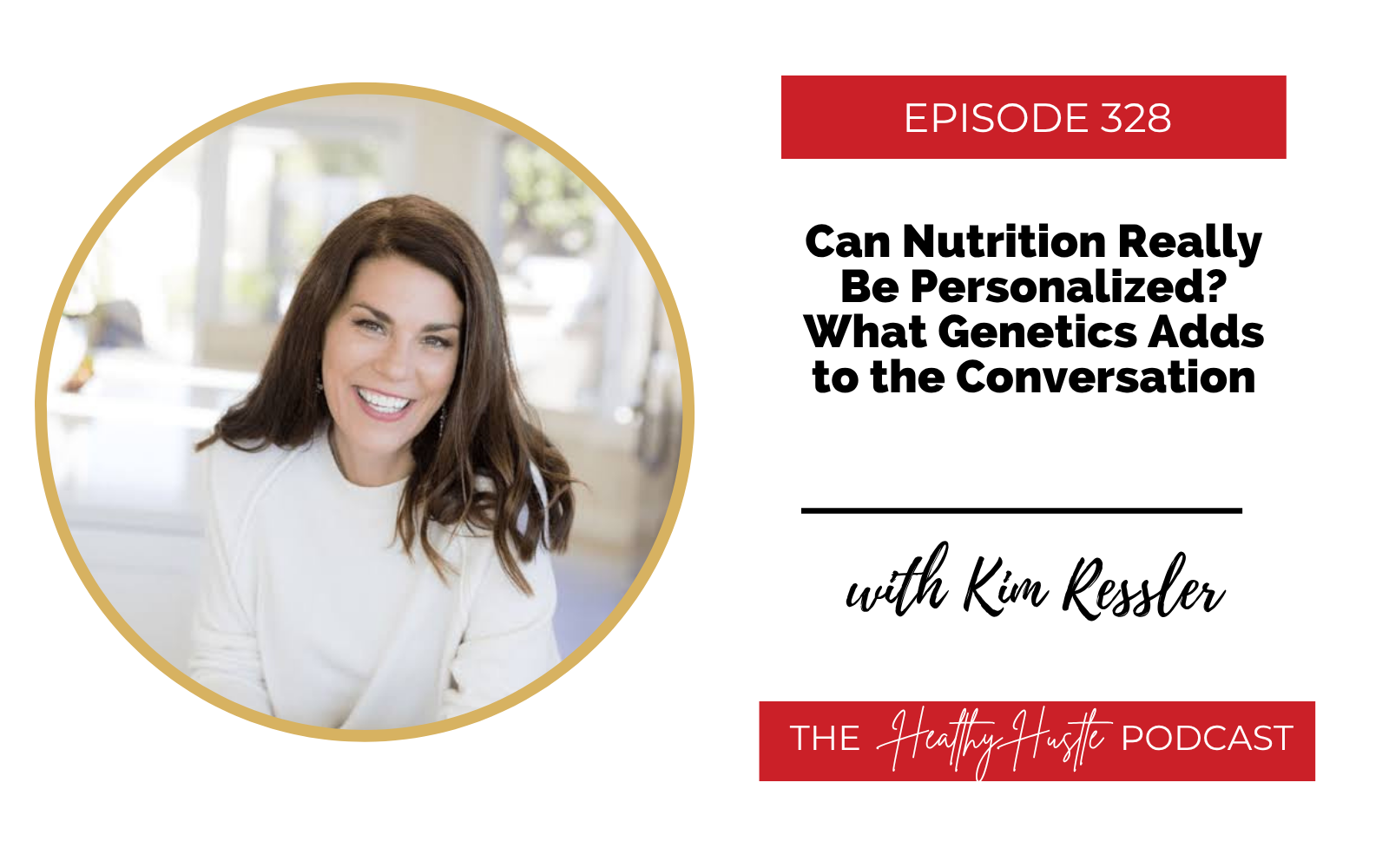
In this episode of The Healthy Hustle Podcast, Rachel Feldman sits down with Kim Ressler, Founder and CEO of SNiP Nutrigenomics, to talk about DNA-personalized nutrition, why chasing one gene is not enough, and how a cheek swab can turn a pile of supplement bottles into one foundational formula.
Kim Ressler is the Founder and CEO of SNiP Nutrigenomics, a women-led biotech company bringing DNA-personalized nutrition into everyday wellness. After more than a decade searching for answers conventional approaches could not provide, Kim discovered nutrigenomics and built SNiP around a simple idea: real personalization starts with your biology, not another questionnaire. Today, she is focused on making precision nutrition more accessible, actionable, and transparent.
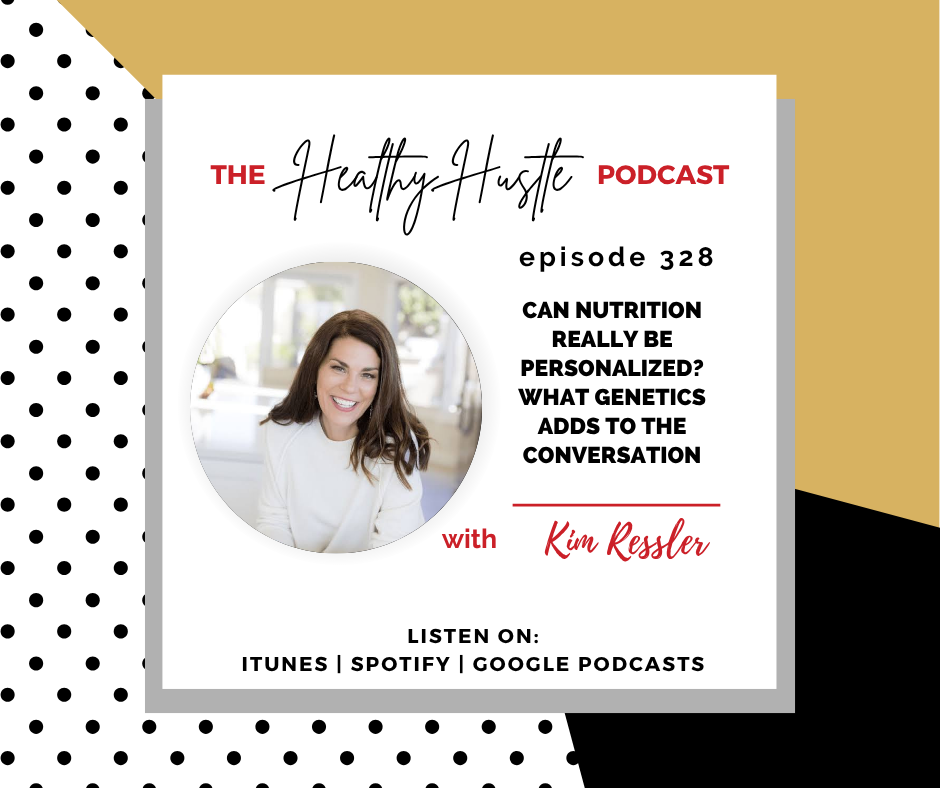
In This Episode, We Cover:
- Why nutrigenomics is an owner’s manual for actionable genes, not a disease-risk score
- Why going after MTHFR alone misses oxidative stress, inflammation, and gut health
- How SNiP turns 22 genes into one CODE formula instead of 20 separate bottles
- What the two cheek swabs, 13 reports, and line-item supplement facts include
- How Kim suggests taking the formula, including a slow start for sensitive people
- Why the DNA test is one and done, and what to track afterward
- How health coaches can use the report without becoming geneticists
An Owner’s Manual, Not a Scare Score
Kim describes nutrigenomics as the study of genetics and nutrition on genes you can influence with food and nutrients. She is explicit that SNiP is not polygenic risk scoring. They are not comparing you to a population, predicting a disease, or collecting your data for that purpose.
The focus is a set of heavy-hitting actionable genes: oxidative stress, heart health, detox, immune resilience, inflammatory response, and vitamin D receptors. She mentions APOB as one example, because variants there point to specific nutrients the cell uses to repair and communicate. Her line is that she is not interested in a unibrow or in making someone taller. She wants the genes that affect how you age and how adult-onset disease shows up.
One Gene Is Not the Whole Symphony
Rachel and Kim both push back on the idea that personalization means testing MTHFR and stopping there. Kim says genes do not play one role. They work together, and the body is meant to heal and repair when those pathways are supported.
If you only chase one marker, you miss oxidative stress, inflammation, and gut health. That is the difference she draws between a single lab flag and a foundational plan.
From Twenty Bottles to One CODE Formula
Rachel remembers compounding sprinkles from about 20 bottles into her kids’ drinks after the family’s nutrigenomic test. Kim’s answer is a cheek swab, then one customized foundational product.
SNiP looks at 22 actionable genes. From those, Kim says the company can make over 3 billion different formulas. The product is called CODE complex: customer optimization of DNA expression. She describes upwards of 75 ingredients, third-party tested three times, formulated to the microgram from whole foods, vitamins, minerals, and micronutrients in the format and dose the research supports. She says the science behind the choices draws on over 630 studies.
She is clear that this is foundational wellness, not the end of every protocol. It also does not replace food.
What the Test Actually Returns
The process starts with two cheek swabs, left and right. Kim says the lab is a Level 5 lab that is HIPAA compliant, CLIA certified, and CAP accredited.
What comes back is 13 reports written in sixth-grade language, plus the customized nutrition. The supplement facts are listed line by line with the dose, not hidden inside unnamed blends. Kim’s own story sits under this: before she understood nutrigenomics she was spending $300 to $400 a month on adrenal-fatigue supplements, in liquids, powders, and pills, plus PEMF five days a week, and still not getting a clear picture of what her body was doing.
How to Take It
Kim has been on her formula for eight years. She tells people to listen to their bodies and to take it with food.
A full dose, as she describes it, is 7.5 grams of powder, or 10 veggie capsules. Some people split that as 2, 2, 2, and 2 through the day. Some do 3, 4, and 3. Some do 5 and 5. Some eventually take all 10 at once. She does not suggest starting there. If someone is sensitive, has a high histamine response, or has a lot of markers in the detox pathway, she wants them to start with one capsule so those pathways can open slowly. Certain B-vitamin formats used for methylation can make people sleepy, and in that case she says take it at night.
The Test Is Once. The Tracking Continues.
DNA does not change, so Kim calls the genetic test one and done. What changes is how you respond. She tracks symptoms, standard blood work, heart-sound recording, HRV, and wearables. She also points to Genova Diagnostics’ intracellular NutraEval when you want to see what is happening inside the cell.
She spent 11 years with symptoms while her blood work looked normal. The report gave her questions to ask across Western medicine, naturopaths, and integrative providers, including where she might be more likely to struggle with things like mold or heavy metals. Three people in the same moldy room will not react the same way, and she says genetics can point to which follow-up test is worth the money.
What This Gives a Health Coach
Rachel names the pattern she used to see as a coach: the first two weeks of a protocol were just getting someone onto their supplements, and the cost and the schedule were already overwhelming. Kim’s view is that coaches should not need to become geneticists. The report is meant to be readable, then the practitioner looks at lifestyle and stress and decides what deeper work still belongs, whether that is mold, histamine, or hormones.
Kim does blind DNA report reviews. She says she knows nothing about the person and they still find two or three aha moments, from why someone overeats to why they crave salty, sugary, fatty food. Her bet is that by 2030 the gold standard in health and wellness will be personalization, and that coaches can practice at that level now.
Your Action Step
If a client is already drowning in bottles, do not add another one this week. Pick one foundation check: food quality, or a single personalized base they can actually take, and pause the rest of the stack until that base is in place.
Final Thoughts
Personalized nutrition is not another questionnaire and it is not one gene on a lab printout. Kim’s argument is that your biology can tell you where to start, and a coach can use that map without turning the client into a full-time supplement project. Eat the food. Support the foundation. Then go deeper where the roadmap says the weakness actually is.
Resources
SNiP Nutrigenomics: https://snipnutrition.com/
Kim Ressler on Instagram: https://www.instagram.com/kimressler
SNiP Nutrigenomics on Instagram: https://www.instagram.com/snipnutrition
Need help building your low-ticket or high-ticket coaching offer?
Visit yourhealthcoachbiz.com to explore done-for-you programs and offers for health coaches.
Looking for one-on-one business coaching support?
Visit rachelafeldman.com or send me a DM on Instagram at @rachelafeldman